03
Learning principles
Hebbian learning, multisensory design, and supported challenge shape the product foundation.
Our methodology integrates research-informed cognitive and neuroscience principles to shape structured cognitive practice that feels clearer, more engaging, and easier to return to.

Research-Led Methodology
We combine research-informed thinking from neuroplasticity, cognitive psychology, and adaptive systems to create experiences that support repeatable practice, learning, and clearer session feedback.
03
Hebbian learning, multisensory design, and supported challenge shape the product foundation.
06+
Practice experiences are mapped to memory, attention, speed, flexibility, emotion, and problem-solving.
15
Current product thinking is grounded in cognitive practice, learning design, and adaptive practice studies.
Scientific Foundations of Our Approach
Our products are built on key principles from neuroscience and psychology that inform how people learn, practice, and adapt.
The concept that "neurons that fire together wire together" shapes how we think about practice experiences. We use repetition, feedback, and meaningful activity as design inputs for structured cognitive and movement-focused practice.
Originally introduced by Donald O. Hebb in 1949, this principle remains central to modern thinking about learning, memory, and development.
We design games and exercises to involve visual, auditory, and tactile input together. This multisensory approach helps shape clearer, more engaging practice experiences.
By layering sensory input intentionally, the practice experience can feel more understandable, memorable, and easier to return to.
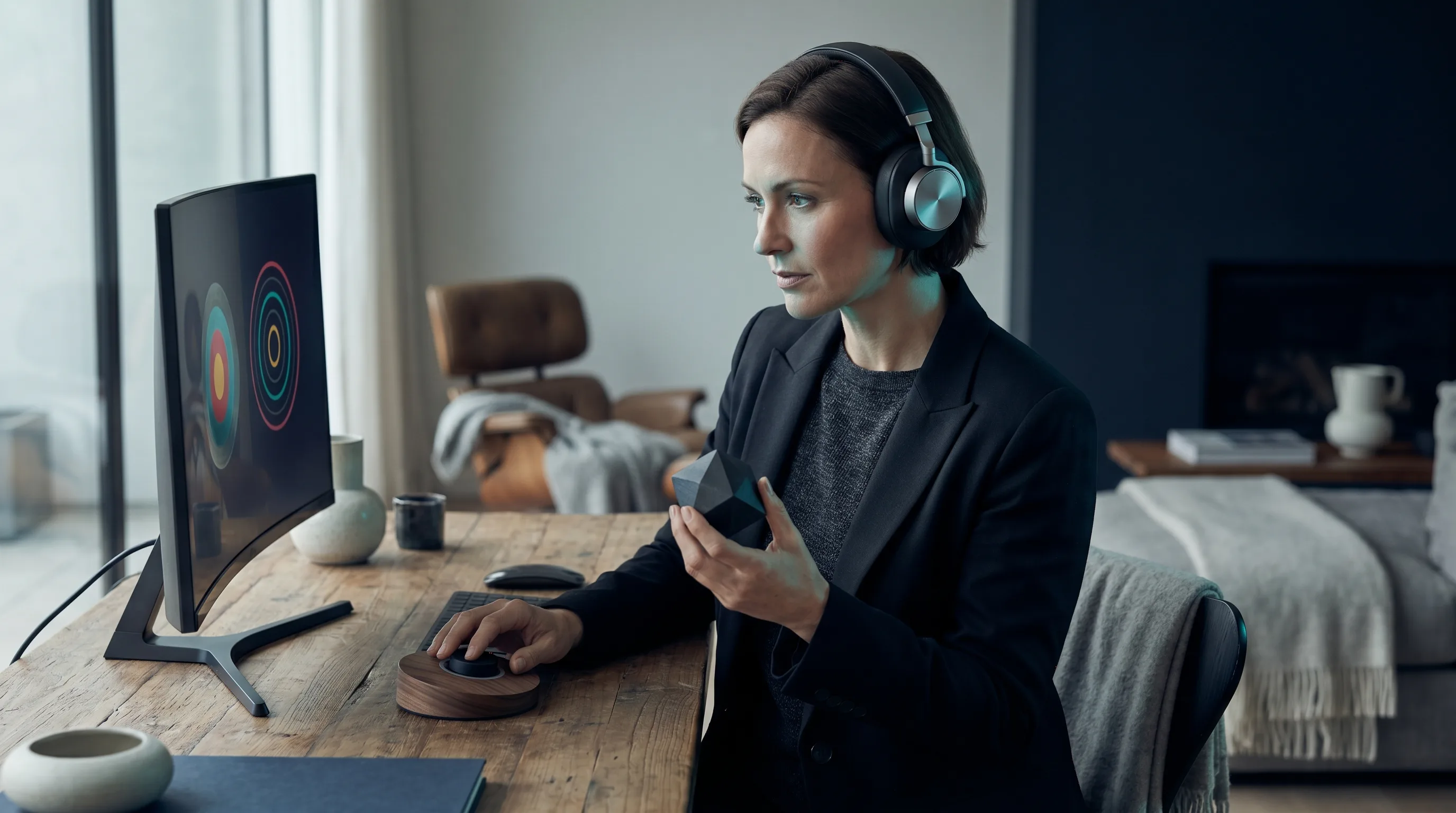
We create tasks that stretch users slightly beyond what they can already do independently, while still providing enough support to sustain progress. That balance helps learning stay challenging without becoming discouraging.
This principle guides how difficulty and support should work together in structured cognitive and movement-aware practice.

The concept that "neurons that fire together wire together" shapes how we think about practice experiences. We use repetition, feedback, and meaningful activity as design inputs for structured cognitive and movement-focused practice.
Originally introduced by Donald O. Hebb in 1949, this principle remains central to modern thinking about learning, memory, and development.
We design games and exercises to involve visual, auditory, and tactile input together. This multisensory approach helps shape clearer, more engaging practice experiences.
By layering sensory input intentionally, the practice experience can feel more understandable, memorable, and easier to return to.
We create tasks that stretch users slightly beyond what they can already do independently, while still providing enough support to sustain progress. That balance helps learning stay challenging without becoming discouraging.
This principle guides how difficulty and support should work together in structured cognitive and movement-aware practice.
Research-Informed Practice Strategies
Our methodology is built on research-informed practices that support focused practice, clearer session feedback, and sustained engagement.
Targeted practice for attention, memory, and problem-solving grounded in research-informed task design.

Adaptive repetition and challenge design that keep practice structured, responsive, and appropriately engaging.

Personalized practice paths that respond to session feedback to keep practice relevant, understandable, and engaging.
Core Areas of Focus
From memory and attention to movement awareness, language practice, and session feedback, our products are built around repeatable cognitive practice.
Category 01
Why Playful Practice Helps Engagement
Thoughtful game mechanics help cognitive practice feel more engaging while preserving the practice goal: focused repetition, adaptive challenge, and sustained participation.
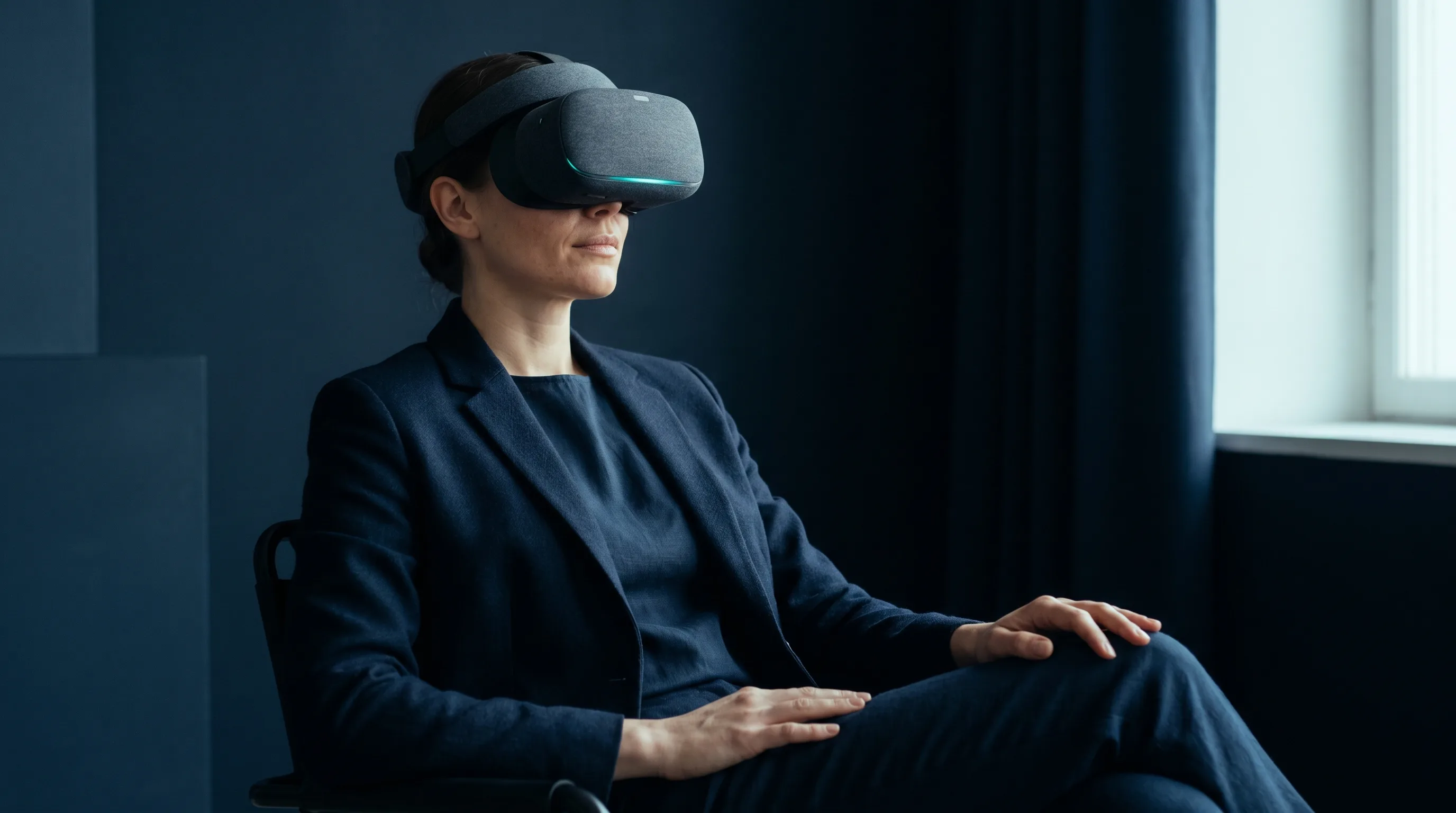
Who It's For
Somaticore experiences are designed for people interested in approachable, repeatable cognitive practice.
Short, structured sessions help people practice attention, task focus, and steady participation through clear gameplay loops.
Matching, sequence, and pattern tasks give people approachable ways to practice remembering details across repeatable sessions.
Adaptive prompts and changing rules create opportunities to practice switching strategies, problem-solving, and learning from feedback.
Fast but approachable interactions let people practice timing, visual attention, and response choices in a playful format.
Motion-aware tasks can make positioning, attention, and session feedback easier to notice during short practice routines.
Word-building and timed prompts create simple ways to practice retrieval, vocabulary, and flexible language choices.
Repeatable challenges are designed for people who want short, approachable cognitive practice they can return to over time.
Somaticore also welcomes conversations with partners interested in usability, engagement, and responsible practice design.
Developed with Leading Professionals
We collaborate with neuroscientists, psychologists, subject-matter experts, and product specialists so each experience reflects current scientific thinking and practical product needs.
Specialists help shape product language, session structure, and responsible use boundaries.
Evidence informs what we build, what we measure, and where we stay conservative.
Expert insight becomes clearer flows, feedback loops, and practice experiences.

Future Research & Development
We are dedicated to continuous improvement, integrating current research and responsible product learning as Somaticore evolves.

We are actively working toward collaborating with researchers, subject-matter experts, and institutions to evaluate practice design, usability, engagement, and feedback.

We continue building partnerships with researchers, subject-matter experts, and institutions to explore new ways to support cognitive and movement-aware practice through innovative technology.
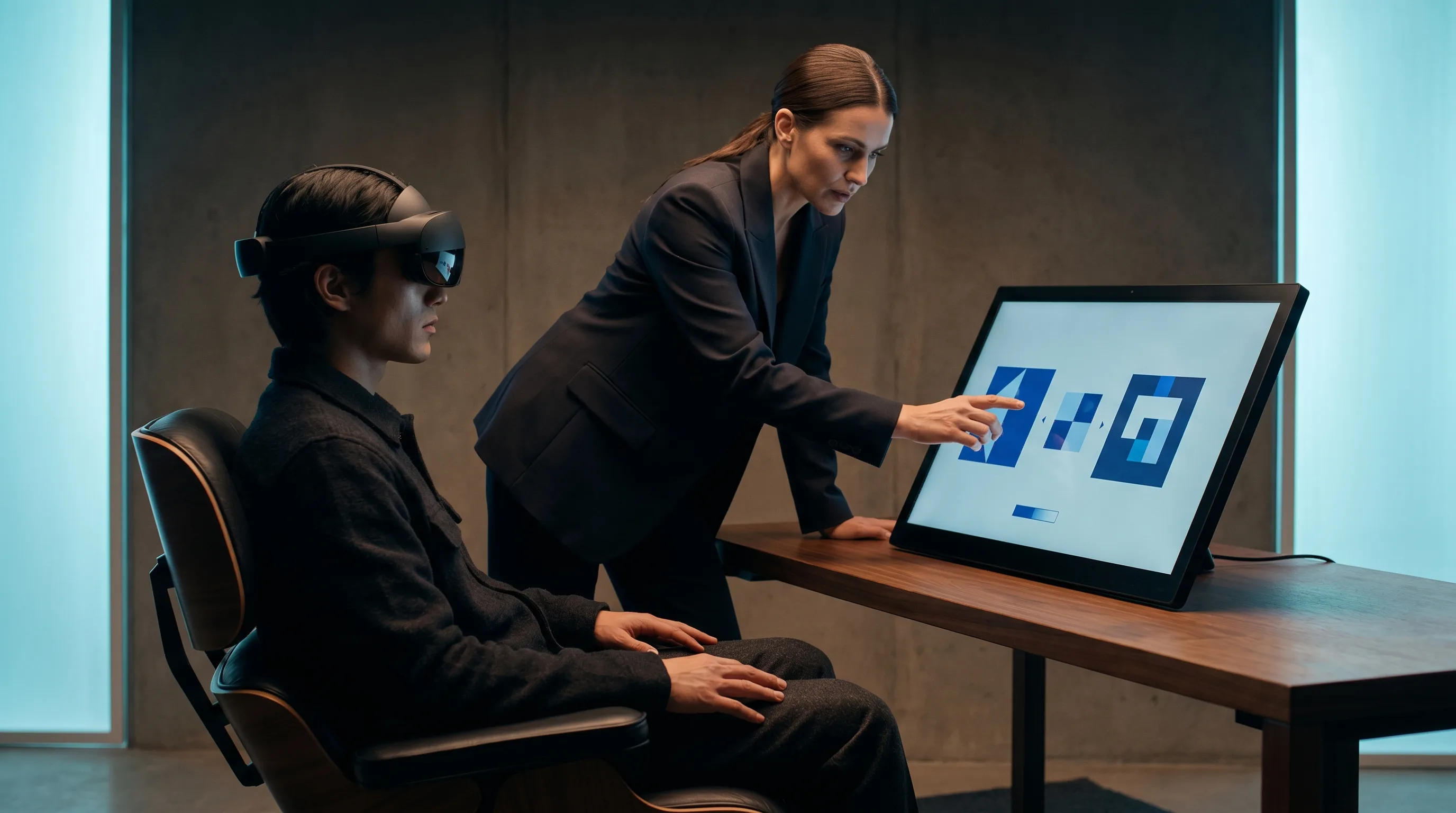
We are exploring how AI, virtual reality, neuroadaptive feedback, and brain-computer interfaces can support future practice experiences.
Key Studies Guiding Our Approach
A concise reference list behind our thinking in cognitive neuroscience, psychology, learning design, and machine learning. These studies inform design thinking and do not represent product-specific clinical validation.
04
Domains
15
Referenced studies
2003+
Research span
Cognitive training and plasticity research that inform repeatable practice, task specificity, and careful claims.
Learning design and multisensory research that inform how input, feedback, and cognitive load are structured.
Gamification and game-based practice research that inform engagement, motivation, and repeatable task design.
Adaptive systems, machine learning, and difficulty-design research that inform personalization and feedback loops.
Explore Somaticore
Explore the products shaped by our methodology, or connect with us to discuss research, product feedback, or collaboration opportunities.